How to Open a Cat Cafe: A Step-by-Step Guide to Launching Your Pet-Friendly Business
How to Open a Cat Cafe: A Step-by-Step Guide to Launching Your Pet-Friendly Business
For local business owners and community-minded entrepreneurs, cat cafes as community spaces offer a rare mix: pet-friendly social venues that feel welcoming, purposeful, and easy to return to. The appeal is clear, good coffee, calm company, and adoptable cats, yet the core tension is just as real: turning the cat cafe concept into a safe, sustainable operation without losing the warm, neighborly feel that drives cat cafe popularity. Done well, a cat cafe becomes more than a novelty; it becomes a trusted hub for community pet care. This is the opportunity new business owners can build around.
Build Your Cat Cafe Launch Plan From Idea to Opening
This process helps you turn a feel-good cat cafe idea into a launch plan you can actually execute. For general readers, it keeps you focused on the few early decisions that shape safety, costs, and whether the cafe can support itself.
- Validate demand with simple market research
Start by listing 3 to 5 nearby “alternatives” people already pay for, such as coffee shops, pet adoption events, or coworking spaces, then note what your cat cafe can do differently. Confirm how often locals might visit, what they would pay, and what hours make sense by running a short survey and a few casual interviews. Finish by identifying your primary customer type so you can design the experience for someone real, not “everyone.” - Draft a cat cafe business plan that fits your community
Write a one-page concept summary that explains your mission, your cat care standards, and how the cafe supports adoptions, starting with an overview of your business anyone can understand. Add the basics: what you sell, how reservations or walk-ins work, and what a great visit looks like from arrival to checkout. This becomes the document you use to align partners, lenders, and even your own team. - Build a startup budget and pressure-test the numbers
Price out your largest one-time costs first: buildout, plumbing and ventilation, furniture, and a separate cat room setup, plus your first inventory order. Use real benchmarks as a reality check, since a sit-down location can have an average cost of $200,000 to $375,000 (USD) for buildout and setup depending on scope. Then estimate monthly expenses and set a cash buffer so you can handle a slow first season without cutting corners on animal care. - Confirm permits, policies, and space rules early
Call your city or county offices to ask what your concept counts as, such as food service, animal-related business, or both, and request a plain-language list of required inspections. Get clarity on zoning, occupancy limits, and hygiene separation between food prep and the cat area before you sign a lease. This step prevents expensive redesigns and helps you choose a location that can actually be approved. - Secure cat sourcing partners and set up daily operations
Reach out to shelters and rescues to propose an adoption partnership with clear responsibilities for vetting, vaccinations, spay and neuter, and adoption paperwork. Create simple operating checklists for cleaning, feeding, enrichment, staff training, and a plan for visitor rules so both cats and guests stay calm. Do a soft opening with limited hours to test flow, then adjust staffing and scheduling before you scale up.
Build the Business Skills That Keep a Cat Cafe Profitable
Once you’ve mapped out the practical steps to open your doors, it helps to strengthen the business skills that keep the cafe running smoothly once customers, and cats, arrive. Going back to school for a business degree can sharpen the management and marketing fundamentals that support confident decisions, from pricing and promotions to day-to-day operations and long-term growth planning. Whether you earn a degree in marketing, business, communications, or management, you can build skills that help your business thrive. If you want a place to start exploring options, this page has additional info about online business degrees.
Online degree programs can also make it easier to keep running your business while you’re in school, so learning doesn’t have to mean putting your launch on hold. Next, it’s worth digging into the real-world questions, licenses, safety rules, and common challenges, so you know what to expect as you move from planning to opening.
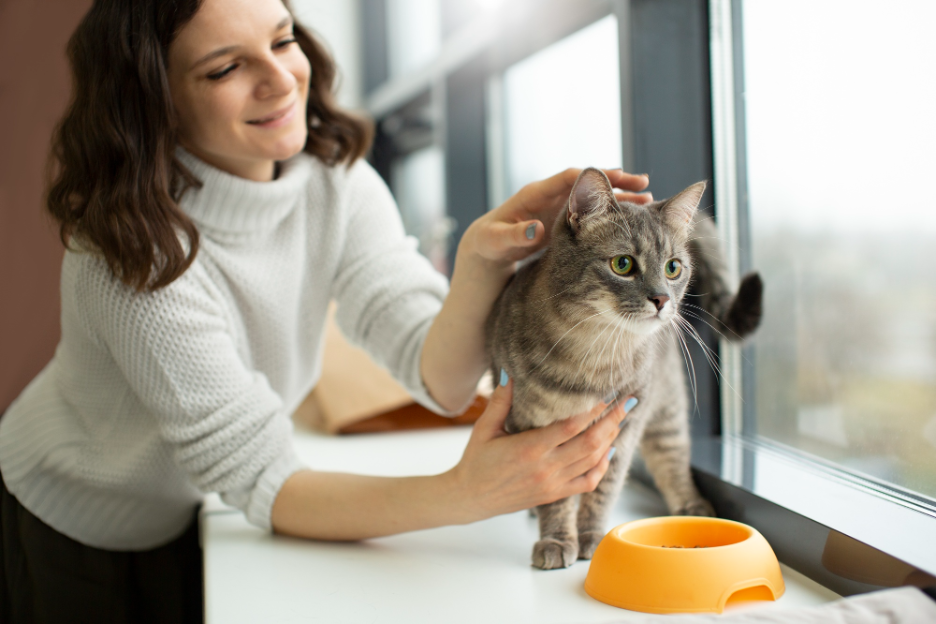
Cat Cafe Q&A: Licensing, Safety, and Daily Ops
Q: What licenses do I usually need before opening a cat cafe?
A: Most operators need a business license plus approvals tied to food and animals. A
food service permit is commonly required so you can comply with health codes when serving drinks or snacks. Call your local health department early and ask for a written checklist.
Q: How do I handle health and safety rules with cats and coffee in the same building?
A: Use a physical separation plan, such as a door or double entry, between the cat lounge and any food prep area. Add handwashing stations, clear no outside food rules, and a scheduled cleaning log staff can initial. Documenting routines helps inspections go smoother.
Q: What animal welfare standards should I plan for from day one?
A: Build in rest time, hiding spots, and limits on how many guests can interact with cats at once. Partner with a veterinarian and set written policies for quarantine, vaccinations, and stress signals. Customers relax more when they can see your care standards.
Q: Can I let customers bring their own cats?
A: It is usually better to avoid it because unknown pets can spread illness and trigger fights or fear. If you ever consider special events, require proof of vaccines, pre-screen temperament, and keep separate spaces.
Q: What inventory mistakes cost new cat cafes the most money?
A: Overbuying perishable cafe items and buying too many cat toys that wear out fast. Start with a tight par list, track weekly usage, and reorder based on sales and cleaning needs. Label storage so staff can rotate stock and spot shortages quickly.
Run Smoother Days: A Practical Playbook for Cats and Customers
Busy cat cafés don’t run on luck, they run on repeatable routines that protect cat welfare, meet health rules, and keep guests feeling welcomed (and informed). Use these operational habits to stay consistent as foot traffic grows.
- Build a two-check daily cat care routine: Start and end every day with a structured “wellness loop”: fresh water and measured feeding, quick coat/eye/nose checks, litter box count-and-scoop, and a note on energy level and appetite for each cat. Mid-shift, do a 10-minute spot check for stress signals (hiding, overgrooming, guarding). This works because small changes are easier to catch early, before they become behavior issues or vet visits.
- Lock in a sanitation rhythm that matches your permits: Make a cleaning map with “every visit,” “every hour,” “every shift,” and “daily close” tasks, then train staff to initial it. High-touch guest zones (tables, menus, POS surfaces, door handles) should be wiped on a schedule, while cat zones get a separate set of tools to avoid cross-contamination. Many operators design the space around separate areas for food and animals, which supports the health-and-safety expectations you likely covered during licensing conversations.
- Train staff with scripts, not just rules: Create three short scripts everyone memorizes: “house rules” at check-in, “cat consent” guidance (how to approach, when to stop), and “redirects” for unsafe behavior (grabbing, chasing, flash photos). Pair that with two mini-drills per week: handling a cat altercation (block, distract, separate) and handling a guest complaint (listen, restate, offer options). Scripts reduce inconsistency between employees and make enforcement feel friendly instead of personal.
- Manage cat behavior by designing micro-zones: Set up the lounge with clear options: at least one quiet hideaway zone, one active play zone, and one “no-cat” buffer seating area for guests who want distance. Use vertical space (shelves, cat trees) to reduce crowding, and rotate toys in small bins so novelty stays high without clutter. When a cat gets overstimulated, staff should have a standard reset plan: lure to a calm area, offer a treat puzzle, and limit handling for 15–20 minutes.
- Use scheduling to protect cats and increase sales: Treat reservations as crowd control, not just revenue. Build your day around predictable waves: 10 minutes between sessions for resets, a longer mid-day quiet break, and a hard cap on lounge capacity based on stress signs, not just square footage. Many cafés sell time slots with cats to keep the room calm and staffing predictable.
- Turn customer engagement into gentle education: Post “today’s cat highlights” and “how to help” prompts at the entrance, favorite toys, preferred petting spots, and a reminder that cats choose the interaction. Train staff to offer one meaningful suggestion per visit (“Try the wand toy low to the ground, she’s a stalker, not a jumper”). Guests feel included, cats get better interactions, and your community message stays consistent.
When your care routines, cleaning systems, training, behavior plan, and scheduling all reinforce each other, the café feels calm, even on a packed weekend, and you can grow without compromising the cats’ day-to-day comfort.
Turn Cat Care and Hospitality Into a Thriving Cafe
Opening a cat cafe means balancing two big demands every day: excellent hospitality and genuinely humane cat care. The most reliable path is a steady, community-minded approach that pairs clear routines with thoughtful policies, staff training, and consistent customer communication so standards don’t slip as traffic grows. When that foundation is in place, the rewards of cat cafe ownership show up in calmer cats, smoother shifts, sustainable cafe growth, and a loyal customer base that trusts how the space is run. A great cat cafe is built on consistency, compassion, and clear expectations. Choose one next move today, draft your operating standards or schedule a conversation with a local rescue partner, and put it on the calendar. That’s how a cozy business becomes a lasting community hub that supports connection, wellbeing, and local pet care.
Sharing is Pawsome!