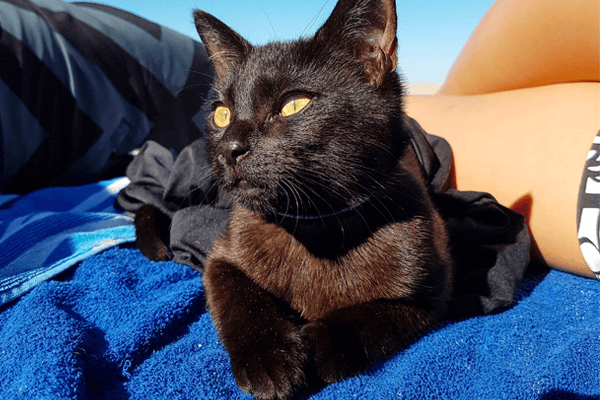
The Coastal Cat: A New Frontier in Feline Adventure
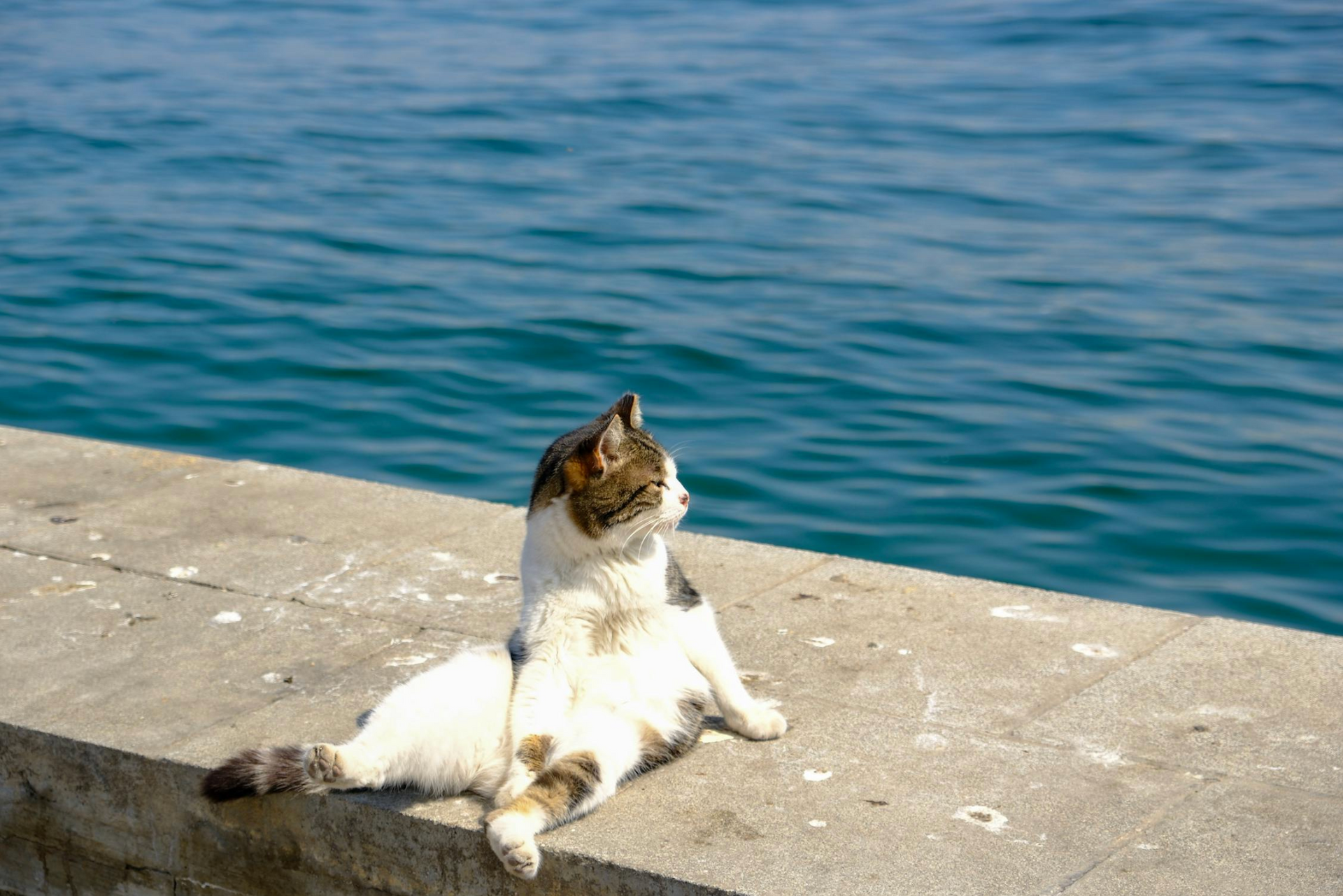
The Coastal Cat: A New Frontier in Feline Adventure
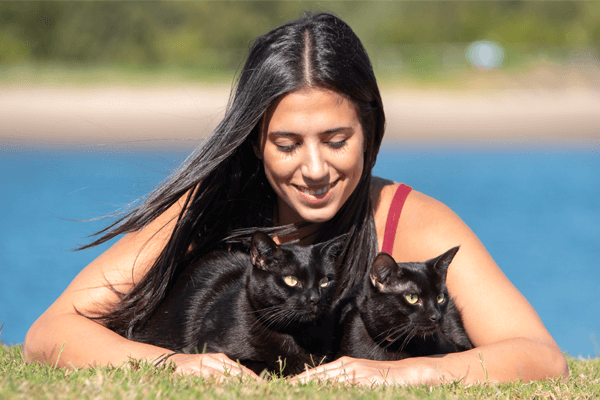
Sharing your life with a cat does not have to be limited to the four walls of a home. Across Australia, a growing movement of "adventure cats" is proving that with the right preparation, feline companions can thrive while exploring sun-drenched beaches and lush coastal trails. These shared outdoor experiences foster a profound sense of trust and provide mental stimulation that enriches the lives of both the pet and the owner.
Exploring the outdoors with a cat involves using specialized harnesses and slow desensitization to help them navigate environments like beaches and parks safely. This practice strengthens the human-animal bond by providing shared sensory experiences and physical exercise tailored to a cat’s natural curiosity. Engaging in these activities allows owners to witness their pet’s unique personality in a wilder, more dynamic setting.
Embracing an outdoor lifestyle with your feline friend transforms ordinary days into extraordinary journeys. Whether you are navigating a local boardwalk or setting up a basecamp by the sea, the connection you build through shared discovery is irreplaceable. Taking your cat along requires patience and high-quality gear, but the reward is a more confident pet and a lifetime of unique stories. Many people even find that they can maintain this lifestyle while working remotely, as it is increasingly common to travel as a digital nomad with a pet by your side.
The Psychological Benefits of Outdoor Exploration
Cats are natural explorers with highly developed senses that crave engagement. When you introduce a cat to a coastal environment, the rhythmic sound of the waves and the diverse scents of the tide pools provide a level of enrichment that an indoor environment cannot replicate. Experts often note that improving pet mental health through controlled outdoor access can reduce anxiety-related behaviors. This "catio" mindset, expanded to the great outdoors, allows your pet to express predatory instincts like stalking through the grass or observing birds from a safe, leashed distance.
The bond between you and your cat deepens significantly during these excursions. Because cats are generally more cautious than dogs, they rely heavily on their "person" for cues on safety. When you successfully navigate a new trail together, it builds a layer of functional trust. This partnership turns a simple walk into a collaborative mission, making every successful outing a shared victory for the team.
Preparing for the Australian Coastline
Before heading to the shore, you must ensure your cat is physically and legally prepared for the journey. Australia has specific regulations regarding pets in national parks and on public beaches. It is vital to check local council pet laws to ensure the area is cat-friendly. Additionally, the Australian climate requires vigilance regarding heat and hydration.
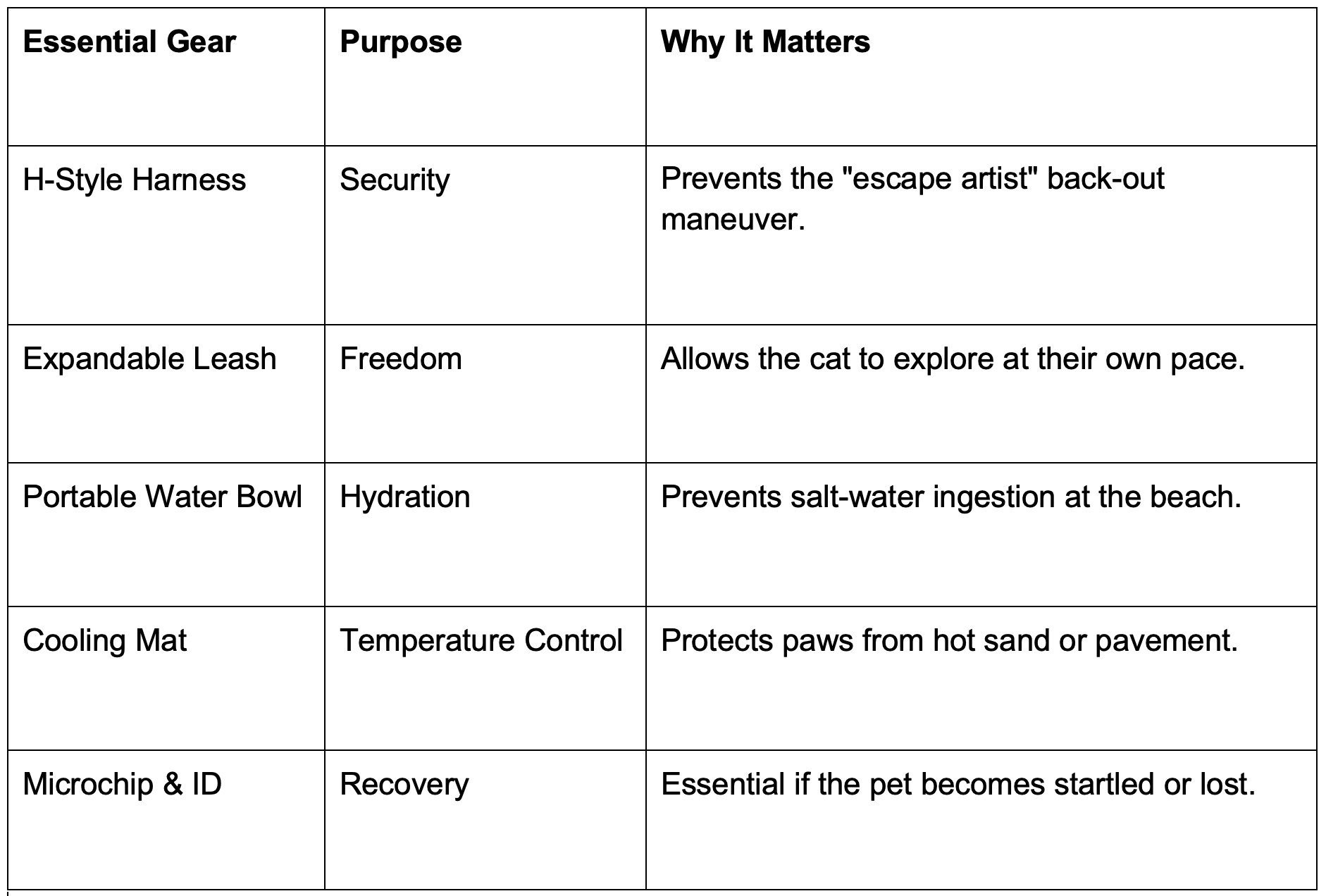
Creating a Safe Adventure Routine
Success with an adventure cat is measured in inches, not miles. Start in your backyard or a quiet park before attempting a breezy coastline. You want to understand feline body language to recognize when your pet is overstimulated or frightened. A twitching tail or flattened ears are clear signals that it is time to retreat to the safety of their carrier.
● Choose Low-Traffic Times: Visit beaches at dawn or dusk to avoid off-leash dogs and heavy crowds.
● Scent Familiarity: Bring a familiar blanket from home to place inside their travel backpack.
● Paws on Sand: Let them feel the texture of dry sand before moving toward the wet shoreline.
● Positive Reinforcement: Use high-value treats to reward calm behavior near the water.
Capturing the Journey
Documenting these milestones is a vital part of the adventure lifestyle. When you capture a photo of your cat perched on a piece of driftwood or watching the sunset, you are freezing a moment of pure connection. These images serve as a testament to your cat's bravery and your dedication as an owner. To honor these experiences, many owners find that discovering various ready-made frame choices allows them to turn digital snapshots into permanent home decor. High-quality frames protect these visual stories, creating a gallery of adventures that makes your living space feel more personal and warm. Displaying these moments celebrates the specific personality of your cat and keeps the spirit of the coast alive even when you are tucked away indoors.
Tips for Long-Distance Pet Travel
If your adventures take you further afield, perhaps on a road trip across the state, comfort becomes the priority. Maintaining a routine is the best way to reduce pet travel stress during long car rides. Ensure the carrier is secured with a seatbelt and that you make frequent stops for "bathroom" breaks in quiet, grassy areas. Research shows that nearly 60 percent of Australian pet owners consider their animals family members, and providing a safe pet transport environment is the best way to honor that family bond.
How to Introduce Your Cat to the Beach
Harness Training: Spend at least two weeks training indoors with a harness and leash.
The "Safe Base" Setup: Use a mesh backpack or carrier as a mobile "safe zone" that stays open at all times.
Scent Acclimation: Rub a cloth on outdoor items and bring it inside so the cat learns the "smell" of the beach.
The First Outing: Carry your cat in their backpack to a quiet spot and let them choose when to step out.
Watch the Tides: Start far back from the water's edge to avoid the noise of crashing waves initially.
Post-Beach Grooming: Always rinse your cat’s paws and fur with fresh water to remove salt and sand.
Common Questions About Cat Adventures
Is it safe to take a cat to the beach in Australia?
It is safe provided the beach is designated as pet-friendly and you provide shade and fresh water. Always keep your cat on a harness to prevent them from running into the dunes or interacting with sensitive wildlife.
How do I know if my cat actually enjoys the outdoors?
Look for signs of curiosity such as forward-facing ears, a raised tail, and relaxed sniffing. If your cat remains hunched, hides constantly, or vocalizes in distress, they may prefer the "indoor-only" lifestyle or a protected outdoor enclosure instead.
What should I do if my cat gets sand in their eyes?
Gently flush the eye with a sterile saline solution made for pets. If the irritation persists or the cat is squinting excessively, contact a veterinarian immediately to check for corneal scratches.
Living an adventurous life with a cat requires a shift in perspective and a commitment to safety. By embracing the coastal lifestyle together, you unlock a world of sensory wonder that enriches your pet's soul and brightens your daily routine. The memories you build on the sand and trails become the foundation of a deeper, more resilient friendship.
As you plan your next seaside getaway, consider how a few simple preparations can turn your cat into your favorite travel partner.
Sharing is Pawsome!